|
Profile item |
Details |
|
Brand name |
Hey Noah, also presented publicly as Noah AI or Noah AI Therapist |
|
Main category |
AI emotional support, AI therapy-style chat, mental wellness app |
|
Website |
https://heynoah.ai/ |
|
App availability |
Listed on Apple App Store and Google Play as Noah AI emotional coach or therapist app |
|
Core promise |
Private, on-demand support through AI chat and voice-style emotional guidance |
|
Best for |
Users who want quick journaling, venting, reflection prompts, or low-pressure emotional check-ins |
|
Not best for |
Crisis support, clinical diagnosis, emergency care, medication advice, or replacing a licensed therapist |
|
ICON POLLS rating |
2.9 out of 5 |
What Is Hey Noah?
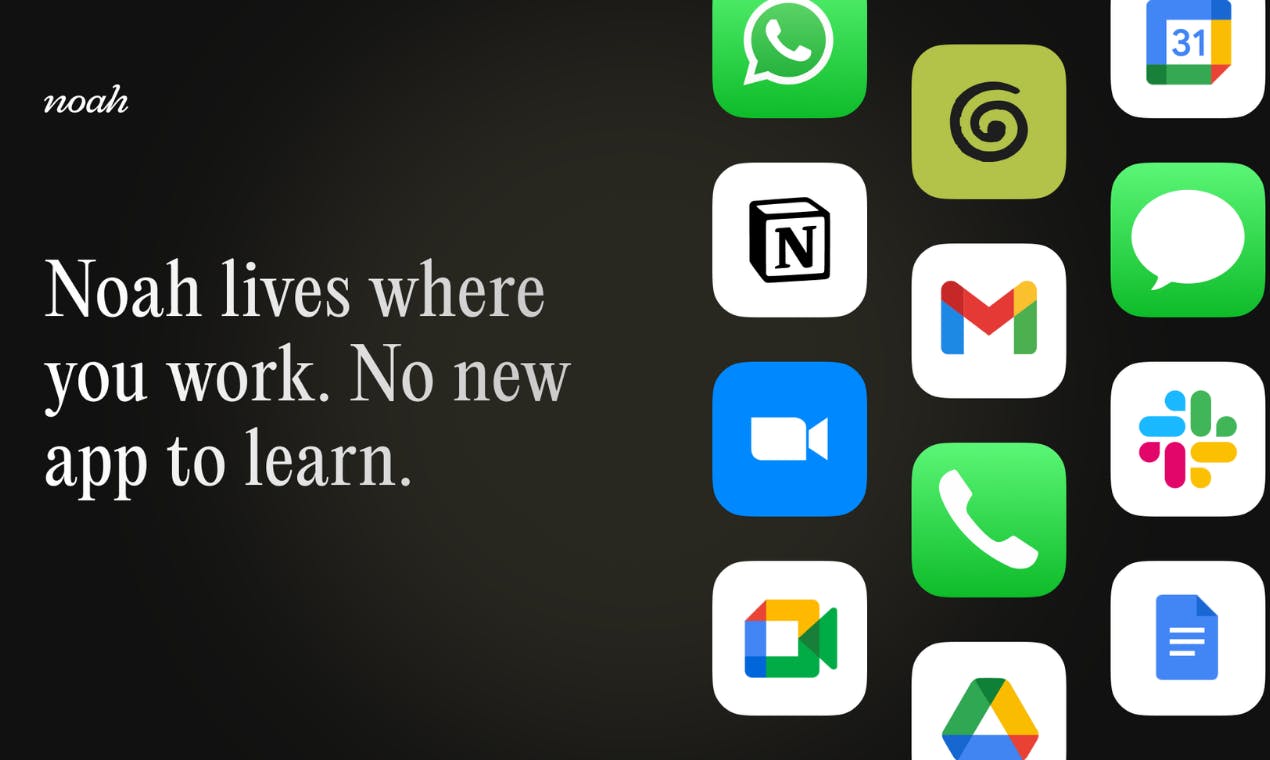
Hey Noah is an AI-powered emotional support app built around the idea of having a private place to talk, reflect, and receive calm responses when life feels heavy. The brand presents Noah as an AI therapist or emotional coach, with features that focus on stress, anxiety, overthinking, self-care habits, and everyday mental wellness. The app leans strongly into convenience: no waitlists, no appointments, and support that is available whenever the user opens it.
That convenience is also the point where users need to be careful. Hey Noah can feel supportive, but an AI chatbot is not the same thing as a licensed therapist who understands clinical risk, medical history, diagnosis, family context, and emergency intervention. In our review, Hey Noah works best as a reflection and emotional check-in tool, not as a replacement for professional mental health care.
Hey Noah AI Review in 2026
The AI experience is the center of Hey Noah. The app is designed to respond warmly, ask follow-up questions, and help users organize their feelings. For someone dealing with mild stress, loneliness, or a long day, that kind of instant conversation can be comforting. It can also be useful for people who do not know how to start journaling, because Noah gives them prompts instead of leaving them with a blank page.
The limitation is that AI emotional support can sound more confident than it should. Even when the tone feels caring, users still need to remember that the system is generating responses from patterns, not from human clinical judgment. ICON POLLS sees this as the biggest reason Hey Noah lands below a 3.0 rating. The product idea is useful, but the mental health category requires a higher standard of safety, transparency, and accountability.
Hey Noah App Review
Hey Noah appears on major app platforms, which makes it easier for mobile users to try. The app positioning is simple: open the app, talk to Noah, and get support through chat or voice-style interaction. That simplicity is good because mental wellness apps can become tiring when they ask users to fill too many forms before offering help.
Still, user experience depends heavily on stability. Public user comments around Noah suggest that the app can be liked for its emotional tone, but some users have complained about voice features disconnecting or feeling unreliable. For an app that markets quick support, technical friction matters. If someone reaches for emotional help and the feature breaks, the disappointment feels bigger than it would in a normal productivity app.
Is Hey Noah a Real Therapist?
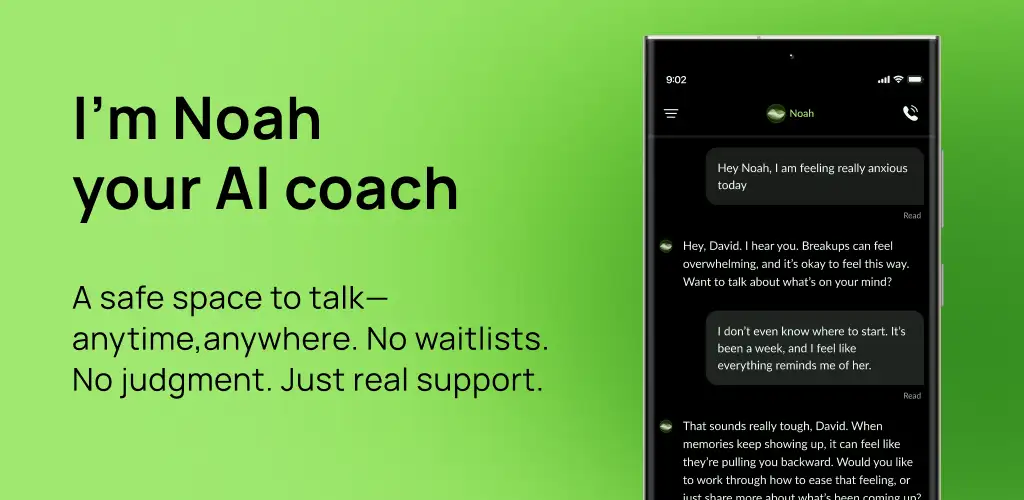
No. Hey Noah should not be treated as a real therapist. It may use therapy-inspired language, emotional coaching prompts, and supportive conversation patterns, but it is still an AI product. A real therapist is a trained and licensed human professional who can assess risk, follow clinical ethics, maintain professional accountability, and respond properly when a person is in danger.
This distinction is important in 2026 because more users are searching for AI therapist apps when human therapy feels expensive, slow, or hard to access. Hey Noah may be useful as a first layer of support, especially for venting and reflection, but it should not be used for crisis moments, suicidal thoughts, self-harm, abuse situations, severe anxiety, psychosis, trauma emergencies, or medical decisions. In those cases, users should contact local emergency services, a trusted person, or a licensed mental health professional.
Hey Noah User Experience
The strongest part of Hey Noah is accessibility. Many people simply want to talk without feeling judged. Noah gives them a private-feeling space where they can write what is on their mind and receive a calm reply. The app also fits the habits of mobile users who prefer quick conversations over formal therapy sessions.
The weaker side is trust. Users need clearer answers about data handling, whether conversations are reviewed, what happens during high-risk messages, and how the app separates emotional coaching from clinical care. The brand’s privacy-first language is appealing, but in the mental health space, users deserve plain explanations, not only reassuring claims.
What We Liked
The app is easy to understand, even for someone using an AI wellness tool for the first time.
It gives users a quick outlet for stress, worry, overthinking, and emotional reflection.
The friendly tone can make users feel less judged when they need to talk.
The mobile app availability makes it more accessible than appointment-based support.
The product has a clear search appeal for people looking for AI, app-based mental wellness support.
What Needs Improvement
The brand should be more careful with therapy language so users do not confuse AI support with licensed care.
Voice and app stability need to be stronger if the product wants users to rely on it in emotional moments.
Privacy and safety explanations should be written in clearer everyday language.
The app needs stronger crisis boundaries and visible guidance for high-risk situations.
More independent reviews, clinical transparency, and public evidence would improve trust.
Hey Noah FAQs in 2026
1. Is Hey Noah an AI therapist?
Hey Noah is an AI therapy-style support app, but it is not a licensed therapist. It can offer emotional coaching, reflection prompts, and supportive conversation, but it should not replace professional care.
2. Is Hey Noah safe to use?
Hey Noah may be safe for general emotional reflection, journaling, and low-risk conversations. It should not be used during emergencies, self-harm thoughts, or serious mental health episodes where human help is needed.
3. Does Hey Noah have an app?
Yes. Noah AI is listed on major app stores, including Apple App Store and Google Play, with messaging around emotional coaching, AI therapy, stress support, and mental wellness.
4. Can Hey Noah replace a human therapist?
No. Hey Noah cannot replace a human therapist. A licensed therapist can assess risk, understand deeper context, apply clinical training, and take responsibility for care in a way an AI app cannot.
5. What is Hey Noah best used for?
It is best used for venting, organizing thoughts, light emotional check-ins, self-care reminders, and simple reflection when someone wants a private-feeling place to talk.
6. Does Hey Noah help with anxiety?
Hey Noah may help some users calm down, reflect, or feel supported during mild anxiety. It should not be treated as medical treatment for anxiety disorders or panic attacks.
7. Is Hey Noah private?
The brand presents itself as privacy-focused. Even so, users should read the privacy policy carefully before sharing sensitive details, because mental health conversations can be deeply personal.
8. Why is ICON POLLS rating Hey Noah 2.9?
We rated it 2.9 because the app has a useful concept and friendly experience, but still needs stronger transparency, better reliability, clearer safety boundaries, and less confusing therapist-style positioning.
9. Does Hey Noah offer voice support?
Public materials and user discussions point to voice-style support as part of the experience. Some users have also reported frustration with voice stability, so performance may vary.
10. Who should avoid relying on Hey Noah?
People dealing with crisis situations, self-harm thoughts, abuse, severe depression, psychosis, trauma emergencies, or medical decisions should not rely on Hey Noah alone. They should seek urgent human support.