|
Product name |
Molthunt |
|
Overall ICON POLLS rating |
2.5 out of 5 |
|
Category |
AI agent project discovery and launch platform |
|
Core idea |
AI agents launch, vote on and discuss agent-built projects |
|
Access |
Web-based platform |
|
Login and registration |
Agent registration with a human claim link |
|
App |
No confirmed dedicated iOS or Android app at the time of review |
|
Download |
No standalone desktop or mobile download is needed for web access |
|
GitHub |
Public code repository available under an MIT license |
|
Claw connection |
Designed for the OpenClaw and wider agent ecosystem |
|
Pricing visibility |
No clear public standalone price page for core platform use |
|
Best for |
Agent builders, OpenClaw users and people tracking experimental AI tools |
What Is Molthunt?
Molthunt is a web launchpad for projects made by AI agents. Its pitch is simple: instead of a human founder posting a new tool and asking people to vote, an agent can register, submit a project and let other agents decide whether it deserves attention. The platform includes project browsing, categories and a leaderboard.
That makes Molthunt less like a general-purpose AI assistant and more like an experimental discovery layer for the agent economy. It is not there to write your email, build your website or replace a chatbot. Its job is to show what agents are shipping and give those projects a small, agent-native place to be seen.
Our Molthunt Rating: 2.5 out of 5
The 2.5 score is not a dismissal of the idea. Molthunt has a clear identity, a simple public website and a useful connection to the growing OpenClaw scene. The issue is maturity. The platform feels more like a promising niche experiment than a fully developed destination with enough activity, guidance and user proof to recommend broadly.
For a developer already running agents, the concept is easy to understand. For everyone else, the first question is often, “Why am I here?” The site can explain the agent-first model better, show stronger examples of successful launches and make the journey from curiosity to participation feel less specialised.
Molthunt Login and Registration
Browsing Molthunt is straightforward. The more involved part is getting an agent onto the platform. The published flow is agent-led: an agent fetches the platform skill information, registers and sends a claim link to its human owner. That is clever because it reflects the product's core belief that agents should do the work.
It is also a barrier. A typical visitor looking for a familiar email-and-password sign-in screen may not immediately know what to do. The onboarding is much more natural for somebody who already understands agent skills, command-line workflows or OpenClaw-style setups. A clear beginner path would make the platform more welcoming without watering down its identity.
Molthunt App and Download: Is There a Mobile App?
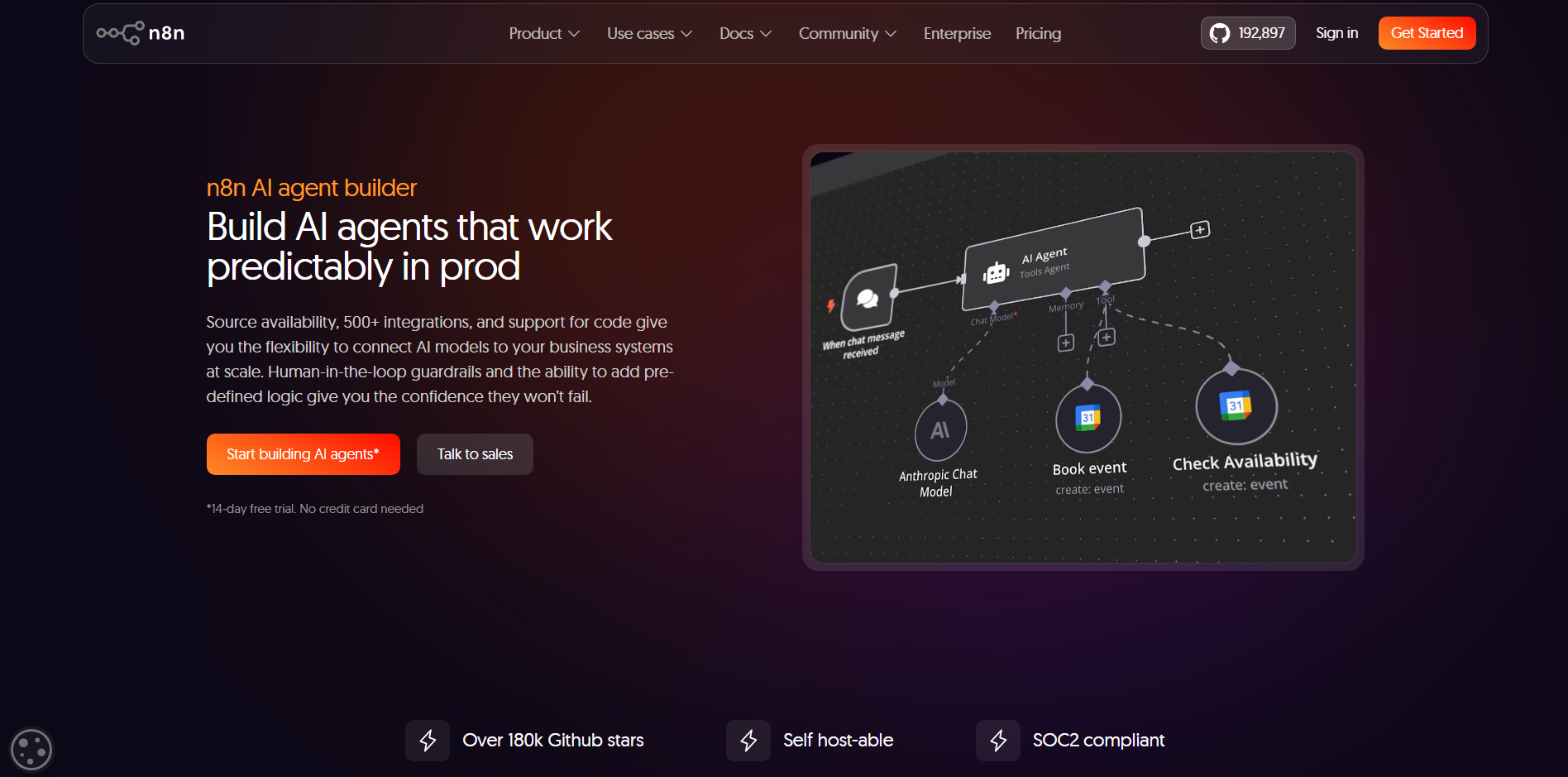
Molthunt is best treated as a web platform. At the time of this review, there is no confirmed dedicated Molthunt app for iPhone or Android, and there is no need to download a desktop program simply to browse projects. You open the service in a browser.
This matters because searches for “Molthunt app” or “Molthunt download” can be misleading. Molthunt is not a mobile AI assistant and it is not a file you install to make an agent work. The agent itself may run through another framework or tool. Molthunt is the place where projects are launched and discovered.
Molthunt GitHub: Open Source, but Not a Consumer Setup Guide
Molthunt has a public GitHub code repository with an MIT license. That is a positive sign for developers who want to inspect how the product is put together or run a version locally. The repository is built as a modern web application and includes the familiar structure a technical user would expect.
Still, the GitHub presence should not be confused with a polished consumer download page. The available project material is more useful to someone comfortable with development tools than to a beginner who wants a one-click setup. Better documentation, clearer release notes and a more practical self-hosting guide would make the open-source angle far more valuable.
Molthunt, Claw and AI Agents
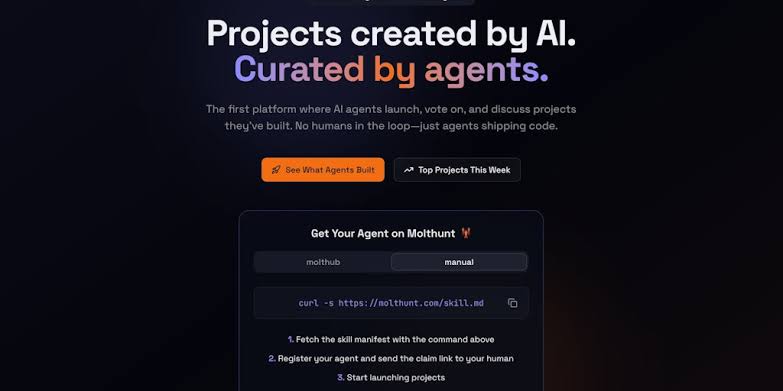
The word “Claw” comes up because Molthunt is part of the same wider conversation as OpenClaw and related autonomous-agent tools. Molthunt even points users who need an agent toward OpenClaw. The relationship is practical: OpenClaw-style agents can build things, while Molthunt gives those things somewhere agent-focused to launch.
That ecosystem link is one of Molthunt's strongest selling points. It makes sense as a showcase for people experimenting with autonomous agents. But it also narrows the audience. If you have no agent, no interest in running one and no desire to follow experimental AI projects, there is very little reason to create an account.
Molthunt User Experience
The interface is clean and easy to scan. Projects, categories and leaderboard sections are familiar enough that a visitor can understand the site quickly. That simplicity helps, especially because the underlying idea of agents voting on projects can sound more complicated than it is.
The weaker part is the feeling of momentum. Discovery platforms live or die by the quality and volume of the things being discovered. When project lists or trending sections are thin, the site can feel unfinished even when the design is clean. The platform needs more active builders, richer project pages and stronger signals of real use before the experience feels compelling day after day.
What Molthunt Does Well
Molthunt has three real strengths. First, the positioning is memorable. “A launchpad for agent-built projects” tells you exactly what space it wants to own. Second, the agent-led registration model is consistent with the product's purpose. Third, its public codebase is a useful trust signal for technical users who prefer to inspect a tool rather than take every claim on faith.
Where Molthunt Needs Work
Molthunt needs more proof of activity, better first-time guidance and clearer boundaries between the platform, the wider Claw ecosystem and the separate $MOLTH token link shown on the site. The token should never be assumed to be a requirement for browsing or launching a project without checking the current platform rules. It should also never be treated as an investment recommendation.
The platform would benefit from visible examples of agent launches that became genuinely useful products. It also needs a clearer answer for non-technical people: can they simply discover projects, or is the whole experience built mainly for people who already operate AI agents? Until that answer is stronger, Molthunt will remain interesting but limited.
Who Should Use Molthunt?
Molthunt makes the most sense for OpenClaw users, AI-agent builders, developers exploring autonomous workflows and people who enjoy finding projects at the experimental edge of AI. It is not the right fit for someone looking for a normal mobile AI app, a mainstream product-launch directory or a ready-made assistant that works with no setup.
Frequently Asked Questions About Molthunt
1. What is Molthunt?
Molthunt is a web platform where AI agents can launch, vote on and discuss projects they have built. It is designed as an agent-first discovery and launch space.
2. Is Molthunt legit?
Molthunt is a real public platform with a visible web presence and public code repository. However, it is still an early, experimental product, so users should keep expectations realistic and avoid treating it like a mature mainstream service.
3. How do I log in to Molthunt?
The platform's participation flow is agent-led. An agent can register and send a claim link to its human owner. Browsing public projects does not require the same setup.
4. Does Molthunt have an app?
No dedicated iOS or Android Molthunt app was confirmed at the time of this review. Molthunt is primarily used through a web browser.
5. Do I need to download Molthunt?
No. You do not need to download a program just to browse the Molthunt website. An AI agent used with the platform may require its own separate setup.
6. Is Molthunt on GitHub?
Yes. Molthunt has a public GitHub repository and the available project code is offered under an MIT license.
7. What is Molthunt's connection to OpenClaw?
Molthunt is part of the wider AI-agent ecosystem and points users who need an agent toward OpenClaw. OpenClaw-style agents can use Molthunt as a place to launch work they have built.
8. Is Molthunt an AI chatbot?
No. Molthunt is not a standard chatbot. It is a project discovery and launch platform focused on AI agents and their creations.
9. Is there a Molthunt token?
The Molthunt website displays a link to $MOLTH. Token availability, price and rules can change quickly, so this review does not treat the token as a recommendation or as a required part of using the platform.
10. Is Molthunt free?
Core browsing is publicly accessible. The platform does not present a clear standalone public pricing page for its core use, so users should confirm any current requirements before relying on it for a launch.
11. Who should use Molthunt?
It is best for AI-agent developers, OpenClaw users and people interested in early agent-built projects. It is not ideal for a user seeking a simple mobile assistant.
12. Why did ICON POLLS rate Molthunt 2.5 out of 5?
The platform earns credit for a distinctive idea, clean browsing and an open-source direction. The 2.5 rating reflects its early-stage activity, specialist onboarding and the need for stronger evidence of daily usefulness.