
|
Rank |
Brand |
Founded |
Headquarters |
Price Range |
Signature Bag |
Known For |
|
1 |
Mulberry |
1971 |
Somerset |
£1,395 - £1,595 |
Bayswater |
Heritage leather craft |
|
2 |
Burberry |
1856 |
London |
£1,200 - £2,500+ |
Knight Bag |
Check pattern, outerwear |
|
3 |
Strathberry |
2013 |
Edinburgh |
£295 - £695 |
East/West Mini |
Quiet luxury, bar closure |
|
4 |
Aspinal of London |
2001 |
London |
£250 - £750 |
Midi Mayfair |
Timeless leather goods |
|
5 |
DeMellier |
2012 |
London |
£295 - £595 |
The Montreal |
Charitable mission |
|
6 |
Anya Hindmarch |
1987 |
London |
£450 - £2,500 |
I Am a Plastic Bag |
Playful wit, bespoke |
|
7 |
Alexander McQueen |
1992 |
London |
£890 - £2,290 |
The Knuckle |
Avant-garde, sculptural |
|
8 |
Smythson |
1887 |
London |
£395 - £1,295 |
Panama Tote |
Stationery-to-bags heritage |
|
9 |
Cambridge Satchel Co. |
2008 |
Cambridge |
£79 - £245 |
Classic Satchel |
Iconic satchel silhouette |
|
10 |
Radley London |
1998 |
London |
£79 - £299 |
Dukes Place |
Accessible everyday style |
1. Mulberry
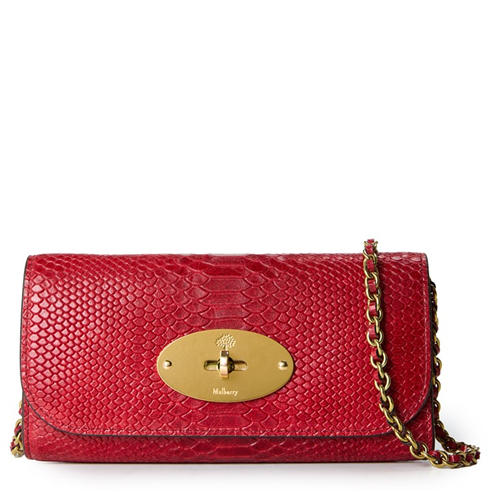
No conversation about British handbags begins anywhere other than Mulberry. Founded in 1971 by Roger Saul in rural Somerset, the brand has spent more than half a century defining what luxury leather goods look like when they carry a British passport. The Bayswater, introduced in 2003, remains one of the most recognised bag designs in the world, and the structured silhouette with its signature Postman's Lock hardware has become a cultural shorthand for understated British elegance.
What makes Mulberry's position feel especially secure in 2026 is its creative renewal. Under CEO Andrea Baldo, the brand has brought in Christopher Kane as creative director, and his first collection is expected in September. Meanwhile, Mulberry's commitment to domestic production remains unmatched among British luxury labels. The company still manufactures in its own Somerset factories, and a partnership with British Pasture Leather signals a deeper investment in regenerative, responsibly sourced materials. Signature styles start around £1,395 for the Bayswater, placing it firmly in the investment category.
2. Burberry
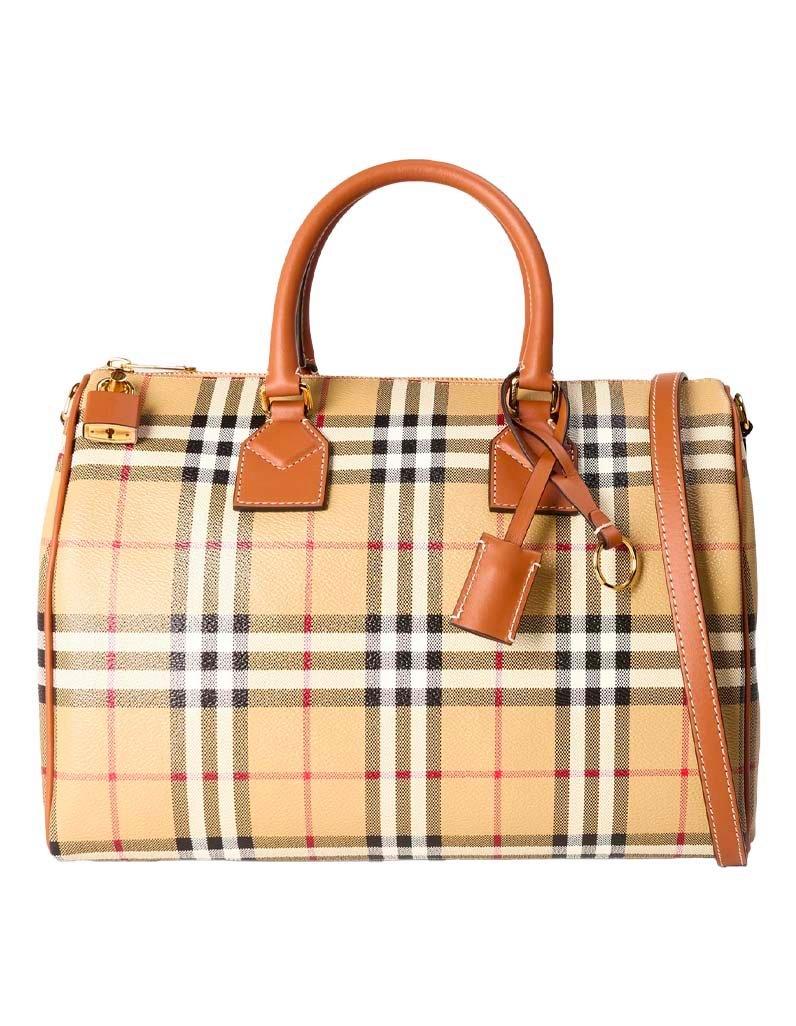
Burberry needs no introduction, but its handbag division deserves more recognition than it typically receives. The house, founded in Basingstoke in 1856, built its global reputation on outerwear and its iconic check pattern. Yet the accessories division has become a formidable revenue driver, with bags like the Knight and the Rocking Horse carving out space in a crowded luxury market.
The brand's handbags tend to carry more visual weight than many of its British peers, borrowing from the heritage check and equestrian references that define Burberry's DNA. Prices sit at the upper end, frequently exceeding £2,000, but the resale market for Burberry bags remains strong. In 2026, the brand continues to balance its archive-inspired designs with a push toward sustainability, making it a solid choice for anyone who wants their bag to carry a story as rich as the leather itself.
3. Strathberry
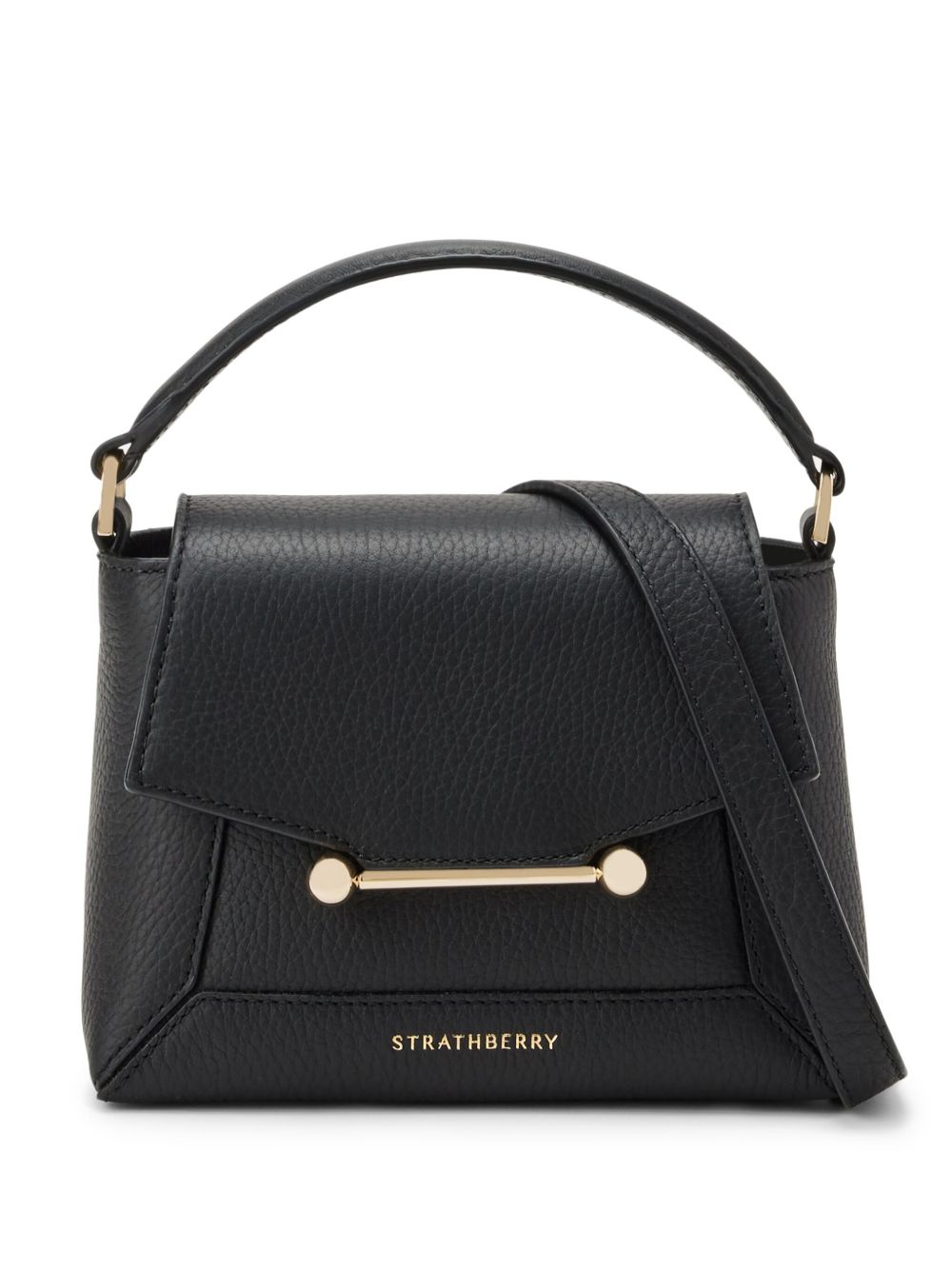
If there is a single brand that encapsulates the quiet luxury wave sweeping British fashion, it is Strathberry. Founded in Edinburgh in 2013 by Leeanne Hundleby and her husband Guy, the label has grown from a niche Scottish operation into one of the most talked-about accessories brands in the country. The signature bar closure, a clean metal strip that runs horizontally across each design, is now instantly recognisable without ever relying on a logo.
Strathberry's rise has been significantly boosted by royal endorsement. The Princess of Wales has carried the brand on multiple public occasions, favouring the Multrees chain wallet in particular. Designed in Edinburgh and produced using Spanish leather craftsmanship, the bags sit in a price bracket that feels ambitious but fair, ranging from around £295 to £695. For shoppers tired of paying a premium for a visible monogram, Strathberry offers something increasingly rare: a handbag that earns compliments for what it is rather than whose name it carries.
4. Aspinal of London
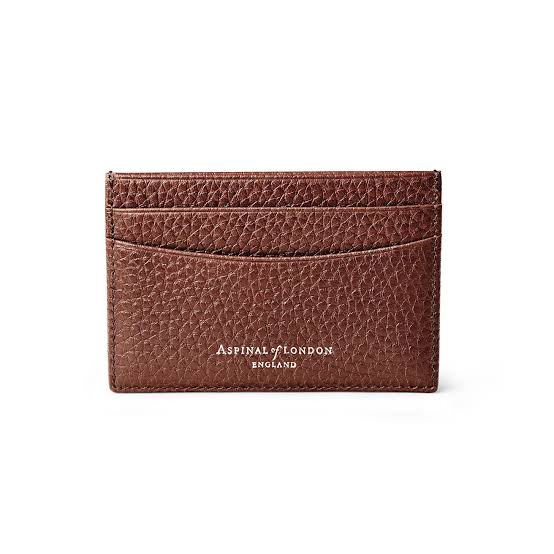
Aspinal of London occupies a fascinating middle ground between the contemporary newcomers and the established heritage houses. Founded in 2001 by Iain Burton, the brand has built a reputation for beautifully finished leather goods with a polished, vintage-leaning aesthetic. The Midi Mayfair, a structured top-handle bag available in nearly thirty colour variations, has become its most recognisable design and a favourite of both Catherine, Princess of Wales, and her sister Pippa Middleton.
What sets Aspinal apart is its insistence on English production. While many mid-luxury brands outsource manufacturing to southern Europe or Asia, Aspinal keeps its leather craft rooted in Britain. The price range, roughly £250 to £750, positions the brand as an accessible luxury option for buyers who want genuine quality without crossing into four-figure territory. Its structured totes have also earned a loyal following among professionals looking for a bag that performs under the demands of a daily commute.
5. DeMellier
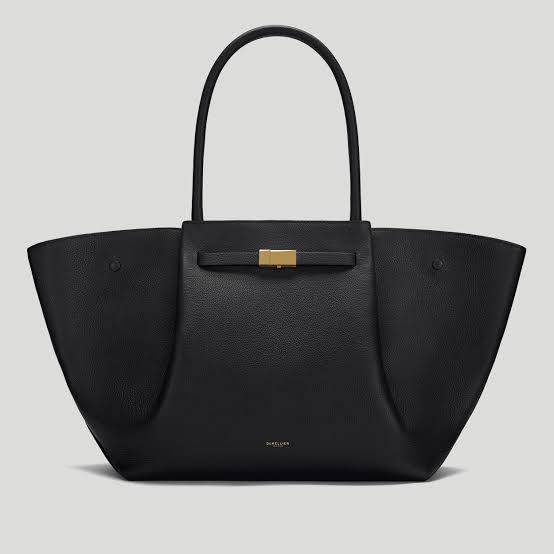
DeMellier is one of those rare brands that manages to feel both deeply considered and effortlessly modern. Founded in London in 2012 by Mireia Llusia-Lindh, the label draws on a blend of Spanish and French heritage, Italian craftsmanship, and unmistakably British design sensibility. The result is a collection of clean-lined, logo-free bags that photograph beautifully and perform even better in daily use.
The brand's ethical commitment adds genuine substance to its style credentials. For every bag sold, DeMellier funds a life-saving vaccine for a child through its "A Bag, A Life" initiative, a programme that has quietly delivered real impact without becoming a hollow marketing exercise. Bags are produced in a family-owned factory in Ubrique, southern Spain, using sustainably sourced materials. Prices range from around £295 to £595, making DeMellier one of the strongest value propositions in the contemporary luxury space.
6. Anya Hindmarch
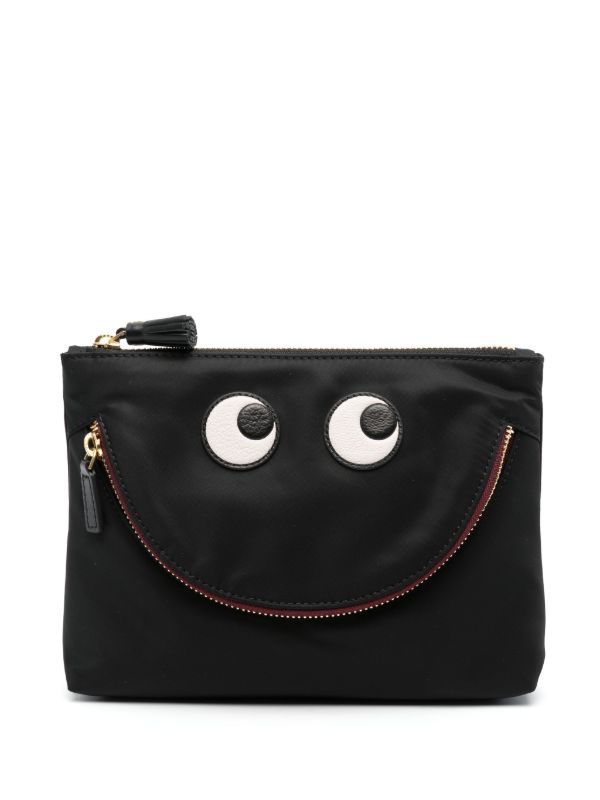
Anya Hindmarch has spent nearly four decades proving that luxury and humour can coexist. Founded in London in 1987, the brand became a household name in 2007 with its "I'm NOT a Plastic Bag" tote, a collaboration with the global campaign group We Are What We Do. That single design helped shift the mainstream conversation around sustainability in fashion, and Hindmarch has continued to operate at the intersection of environmental consciousness and high-end design ever since.
The current collection balances structured leather pieces with the brand's signature playfulness. The "I Am a Plastic Bag" range, made from recycled plastic bottles coated in recycled leather, remains a bestseller. Meanwhile, the Anya Brands collection, which reimagines everyday household products as luxury accessories, sits in the permanent collection of the Victoria and Albert Museum. Bespoke personalisation, including embossed initials and hand-painted artwork, further distinguishes the brand in a market that increasingly values individuality. Prices range from around £450 to £2,500.
7. Alexander McQueen
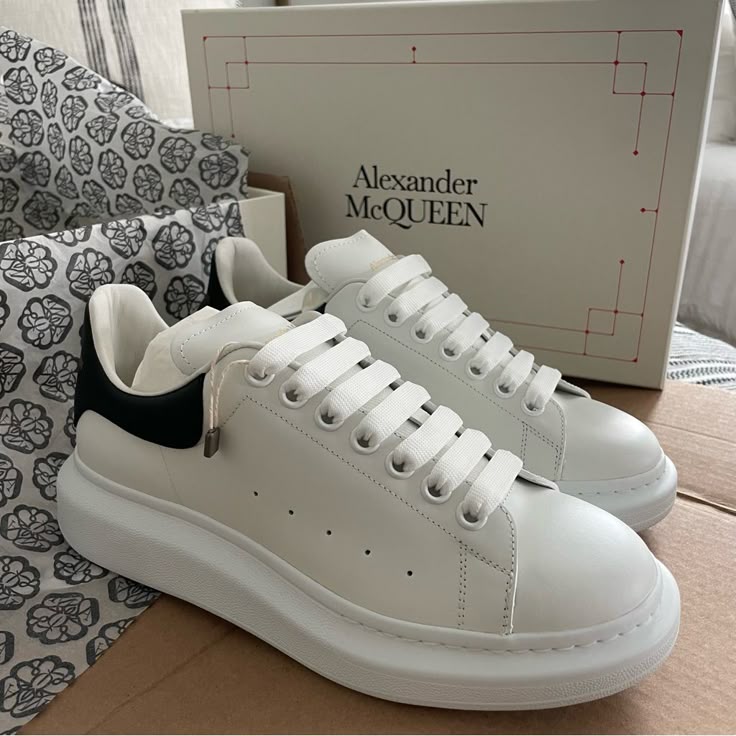
Alexander McQueen brings a different energy to this list entirely. While most British handbag brands lean into quiet refinement, McQueen's accessories carry the house's signature edge: sculptural hardware, assertive silhouettes, and a willingness to make a statement that lingers in the memory long after the bag has left the room. The Knuckle bag, with its four-ring handle inspired by the brand's iconic jewellery, remains the standout piece.
Founded in London in 1992 by the late Lee Alexander McQueen, the house has maintained its creative ambition under successive design leads. The handbag division sits at the higher end of the price spectrum, with most pieces falling between £890 and £2,290. These are not bags for blending in. They are for people who view accessories as an extension of personal expression, and in a market trending toward the understated, McQueen's refusal to play it safe is both bold and welcome.
8. Smythson
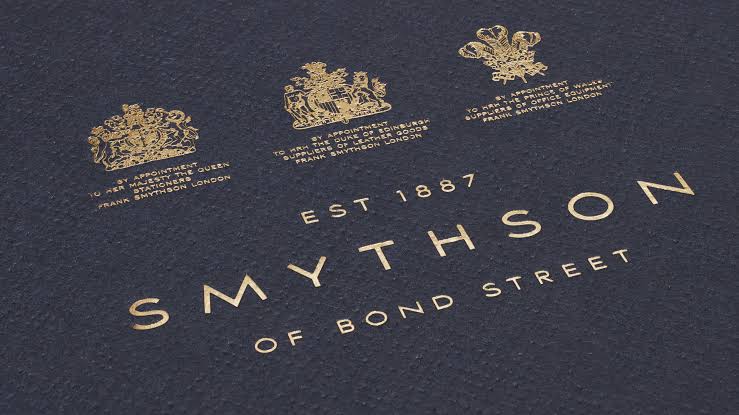
Smythson is perhaps the most surprising inclusion for readers unfamiliar with the brand's recent evolution. Founded in 1887 as a stationer to royalty and the British establishment, Smythson has spent the past decade quietly building a leather goods collection that rivals many dedicated handbag labels. The Panama tote, with its crosshatch leather texture and clean, minimal design, has become a mainstay for professionals and travellers alike.
The brand's roots in fine stationery give its leather goods a distinctive DNA. There is an emphasis on interior organisation, on thoughtful compartments and slim profiles that echo the precision of a well-bound notebook. Prices range from £395 to around £1,295, and the bags carry a patina of old-world British sophistication that feels earned rather than manufactured. For anyone who values discretion and quality in equal measure, Smythson is a brand worth knowing.
9. The Cambridge Satchel Company
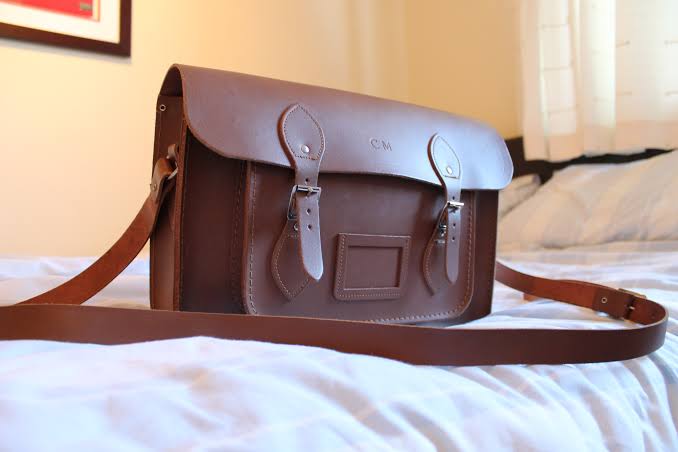
Few brands have a founding story as endearing as The Cambridge Satchel Company. Started in 2008 by Julie Deane on her kitchen table with just £600, the brand was born out of a practical need: finding affordable satchels for her children's school. Within a few years, the nostalgic British satchel silhouette had become a global fashion phenomenon, endorsed by style editors and adopted by a generation of students and young professionals.
What keeps Cambridge Satchel relevant in 2026 is its combination of accessible pricing and genuine personality. Bags start as low as £79 and rarely exceed £245, making this the most affordable brand on the list by a considerable margin. The colour range is extensive, encouraging buyers to experiment rather than default to safe neutrals. For a first investment bag or a playful addition to an existing collection, it remains one of the most joyful British accessories brands in the market.
10. Radley London
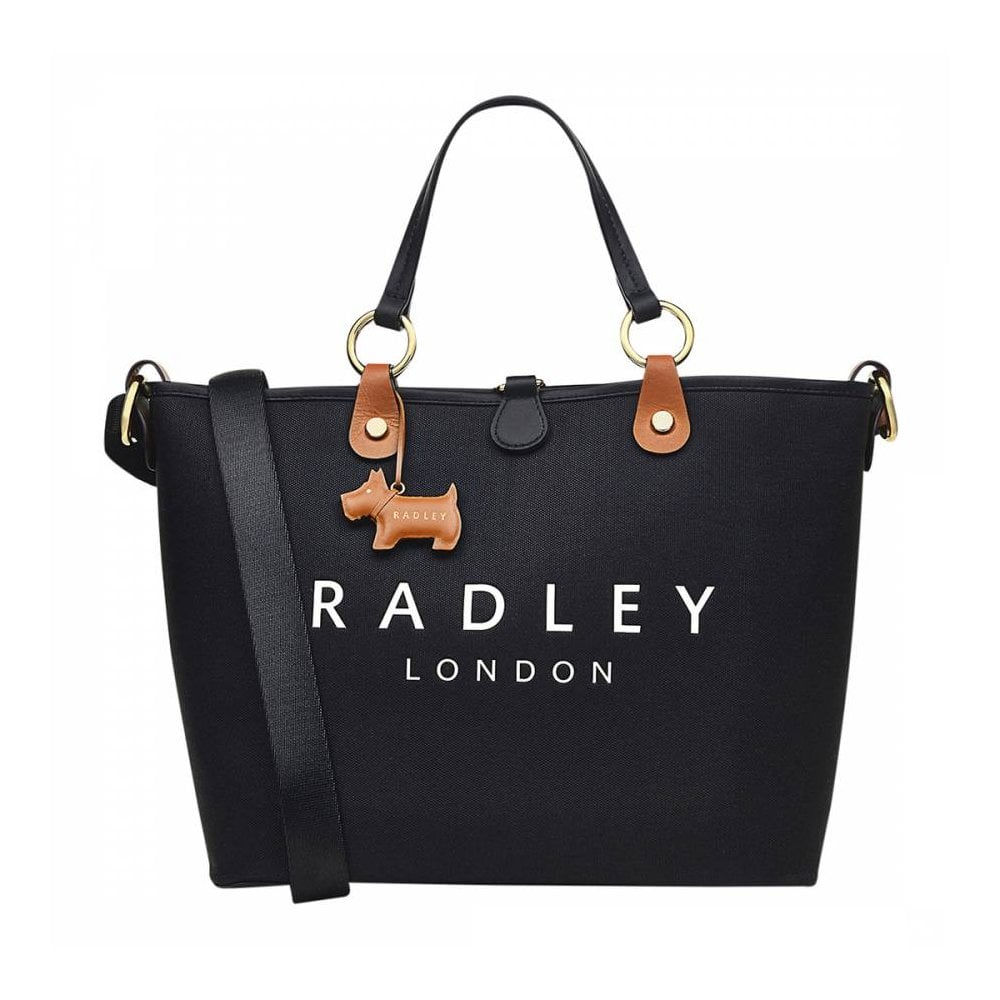
Radley has long been the entry point for British leather goods, and there is no shame in that position. Founded in London in 1998, the brand has built an enormous and fiercely loyal customer base by offering well-constructed bags at prices that rarely cause hesitation. The Scotty dog motif is an instantly recognisable signature, and while it divides opinion among fashion purists, it has helped Radley carve out a distinct identity in a crowded market.
The Dukes Place collection, particularly the large zip-top workbag priced around £167, has become a quiet hit among commuters who need a bag that handles laptops, documents, and daily essentials without sacrificing style. Radley proves that quality British leather goods do not need to come with a luxury price tag, and for everyday use, few brands at this price point offer better value or reliability.