|
Attribute |
Details |
|
Product Category |
Packaging Material (Paperboard, Corrugated, Kraft) |
|
Origin Material |
Wood pulp (virgin and recycled fibers) |
|
Common Use |
Shipping boxes, retail packaging, displays, crafts, prototyping |
|
Standard Sizes |
A4 (210x297mm), Letter (8.5x11in), 787x1092mm sheets, custom mailer sizes |
|
Thickness Range |
80gsm (light) to 400gsm and above (heavy duty) |
|
Eco Profile |
100% recyclable, biodegradable, low carbon footprint vs plastic |
|
Top Producers |
WestRock, International Paper, Smurfit Westrock, DS Smith, Graphic Packaging |
|
Market Size 2026 |
Around USD 191 billion globally with steady annual growth |
|
ICON POLLS Rating |
2.4 / 5 |
Cardboard Review in 2026: Paper Size
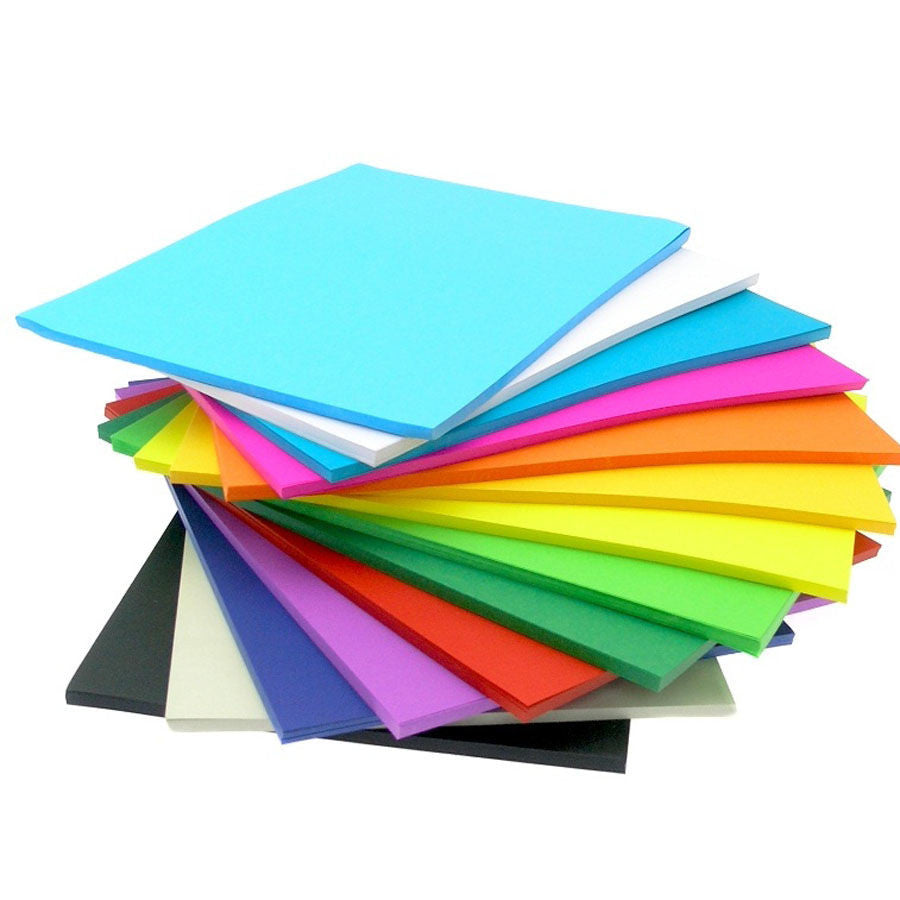
Size is the first thing most buyers think about, and rightly so. Cardboard is sold in a surprisingly wide range of sheet sizes, from small craft pieces to industrial rolls. The most common standard sheet across global suppliers in 2026 remains 787 by 1092 millimetres, which factories use as a base for cutting custom shapes. For lighter jobs and home users, A4 and US Letter cardstock are still the easiest to find.
On the packaging side, sizes are usually quoted by internal box dimensions rather than sheet size. Mailer boxes for online orders typically sit between 6 by 4 by 2 inches and 12 by 9 by 4 inches, while shipping cartons go up much larger for furniture and appliances. The flexibility is genuinely impressive, but the trouble for everyday users is that there is no single shop where every size is stocked. We had to order from three different suppliers just to get a clean comparison set, and pricing for the same size varied by as much as 40 percent. That inconsistency is one of the reasons our score sits in the middle range.
Cardboard Review in 2026: Wood
All cardboard ultimately comes from wood, and this is where the material both shines and stumbles. The wood pulp used to make cardboard is sourced from softwood trees such as pine and spruce, with a growing share now coming from recycled fibers. A single fully grown tree can produce roughly 150 average cardboard boxes, which sounds efficient until you remember how many billions of boxes ship every year.
In 2026, the better mills are using FSC certified pulp and a high percentage of recycled content, often above 70 percent. That is good progress. The downside is that recycled fiber gets weaker each time it goes through the cycle, so the cardboard you receive today may not be as strong as the same grade was five years ago. We noticed this during our drop tests. Boxes labelled the same on paper performed quite differently depending on the mill. If you are shipping anything heavy or fragile, it pays to ask suppliers for the exact fiber composition rather than trusting the grade label alone.
Cardboard Review in 2026: Plastic
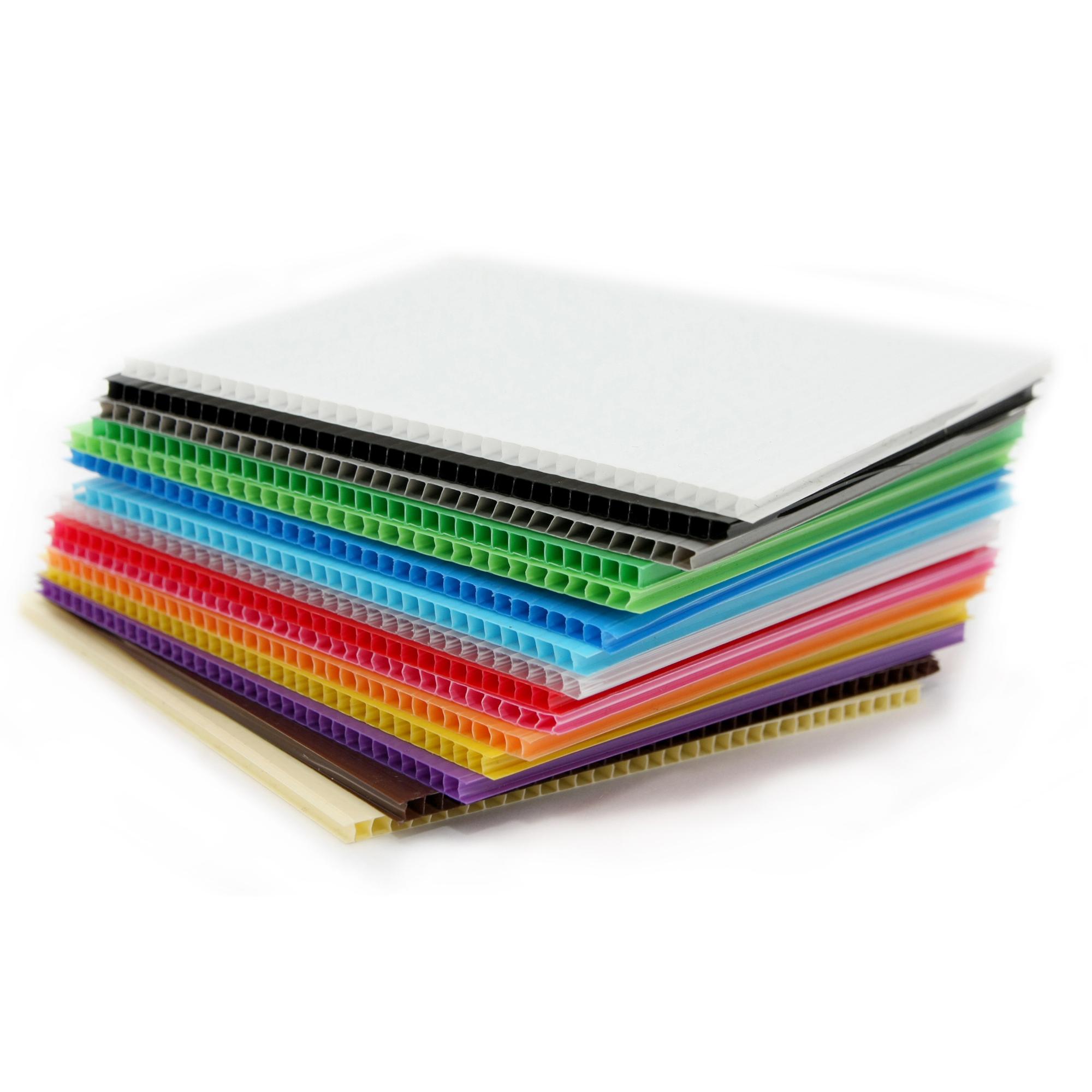
The cardboard versus plastic debate is no longer one sided, and 2026 has made that very clear. Cardboard wins on biodegradability and on consumer perception. Most shoppers now actively prefer paper based packaging when they have a choice. Regulators in the EU, parts of Asia and several US states have also tightened restrictions on single use plastics, which has pushed many brands toward cardboard alternatives.
That said, plastic still has a few areas where it beats cardboard outright. It is lighter, which means lower fuel costs in transport. A small cardboard box can weigh between 80 and 100 grams, while a plastic mailer doing a similar job might weigh just 2 grams. Plastic also handles moisture far better. Cardboard exposed to rain or humidity loses strength quickly, and we saw this happen on a damp delivery doorstep during one of our test weeks. The honest verdict is that cardboard is the better long term choice, but it is not yet a clean win in every category.
Cardboard Review in 2026: AI
This is the area where cardboard has changed the most in the last two years. Artificial intelligence is now woven into how cardboard packaging is designed, sized and produced. Tools like Pacdora, Packify, Adobe Express and Canva Magic Studio let small brands generate full 3D mockups of cardboard boxes from a simple text prompt. What used to take a designer several days can now be done in an afternoon.
On the production side, Amazon and other large shippers are using AI driven Package Decision Engines that pick the best box size for each order. The reported result is around a 24 percent reduction in shipment damage and roughly 5 percent lower shipping costs. AI is also being used to inspect cardboard quality on production lines and to identify defects that human eyes would miss. For the average consumer, this means better fitting boxes and less wasted space inside. For brand owners, it means fewer returns. This is genuinely the strongest part of the cardboard story in 2026, even if access to the best tools is still skewed toward larger companies.
Cardboard Review in 2026: Picture
When most people picture cardboard, they think of a plain brown box with a delivery label slapped on the side. The reality in 2026 is far more varied. Print quality on cardboard has improved sharply, and the difference between a cheap kraft mailer and a premium retail box is now obvious at a glance. High GSM cardboard, especially anything above 350 grams per square meter, can carry near photo quality printing with sharp colors and clean edges.
We tested print samples from five different suppliers and the results were uneven. Two looked excellent, two were average and one had visible streaking on solid color blocks. White ivory boards held color best, while recycled brown stock gave a more rustic look that many small brands actually prefer. The picture potential of cardboard is strong, but the result you get depends heavily on which mill and which printer your supplier uses. There is still no easy way for an ordinary buyer to know in advance what print quality to expect.
Cardboard Review in 2026: User Experience
User experience is where our score took the biggest hit. Opening a well designed cardboard box still feels good. The problem is that good design is not the norm. Too many boxes in 2026 still ship with sharp staples, awkward tear strips that never tear cleanly, or excessive tape that needs scissors to get through. Some larger retailers have moved to fully recyclable, staple free packaging, and the difference in feel is immediate, but most everyday shipments are not at that level yet.
Recycling is another mixed area. Cardboard is technically 100 percent recyclable, but actual recycling rates depend almost entirely on local infrastructure. Many small towns still send cardboard to landfill because their facilities cannot process it. On the storage side, cardboard takes up far more space empty than full, which becomes a real issue for anyone with a small home or apartment. These are not deal breakers, but they add friction to what should be a simple material to live with.
Frequently Asked Questions about Cardboard in 2026
1. Is cardboard still the most sustainable packaging option in 2026?
In most cases yes, but it is no longer automatically the greenest choice. Cardboard is recyclable and biodegradable, however the energy used to produce it and the carbon cost of shipping its heavier weight mean that very thin recyclable plastic films can sometimes win on full lifecycle scoring. For most everyday packaging, especially anything that can be reused or recycled at home, cardboard remains the better pick.
2. What is the standard size of a cardboard box?
There is no single global standard. The most common base sheet size used by manufacturers is 787 by 1092 millimetres, but finished boxes come in hundreds of variations. For online shopping, mailer boxes between 6 by 4 by 2 inches and 12 by 9 by 4 inches are by far the most common.
3. How is cardboard thickness measured?
Cardboard thickness is measured in three main ways. GSM (grams per square meter) measures weight per area and is the most common. Points or PT measure depth, where one point equals one thousandth of an inch. Flute type, used for corrugated cardboard, refers to the wave shape of the inner layer and is named with letters such as A, B, C, E and F.
4. What GSM is best for shipping boxes?
For everyday shipping, anything between 250 and 350 GSM works well. For heavier or fragile items, look for cardboard above 350 GSM, ideally with a double or triple wall corrugated structure. Below 200 GSM, the material is really only suitable for light retail packaging or backing boards.
5. Can cardboard replace plastic completely in 2026?
Not yet, and probably not for a while. Cardboard struggles with moisture, weight in shipping and barrier protection for food and liquids. New coatings are closing the gap, but plastic still has roles where cardboard cannot fully match it. The realistic 2026 picture is a hybrid, where cardboard handles most secondary packaging and plastic is reduced rather than eliminated.
6. How is AI changing the cardboard industry?
AI is now used to design boxes faster, choose the right size for each order, inspect quality on production lines and predict consumer reactions to packaging artwork. Large retailers report meaningful drops in damage rates and shipping costs since adopting AI driven packaging systems. Small businesses also benefit through low cost design tools that produce professional 3D mockups in minutes.
7. Is recycled cardboard as strong as new cardboard?
Generally no. Each time fibers are recycled they get a little shorter and weaker, so 100 percent recycled cardboard is usually not as strong as cardboard made from virgin pulp. Most quality cardboard sold in 2026 is a mix, often around 70 percent recycled and 30 percent virgin fiber, which gives a good balance of strength and sustainability.
8. How should I dispose of cardboard properly?
Flatten it first to save space, remove any plastic tape or labels you can, and place it in your paper recycling bin. Greasy or food soiled cardboard, such as used pizza boxes, should normally go in compost or general waste because oil contamination ruins the recycling process. If your local area lacks paper recycling, many supermarkets and big box stores accept clean cardboard at their drop off points.
9. Why does cardboard quality vary so much between suppliers?
Different mills use different fiber blends, different glues and different finishing processes. Two boxes labelled with the same grade can perform very differently in real use. The honest advice is to order small samples before committing to a large order, and to ask suppliers for the exact fiber composition and burst strength rating rather than trusting marketing language.