|
# |
Brand |
Headquarters |
Key Technology |
Best For |
SEER Rating |
Warranty |
|---|---|---|---|---|---|---|
|
1 |
Daikin |
Osaka, Japan |
Inverter Swing Compressor, R-32 Refrigerant |
Humid tropical and subtropical climates |
Up to 28 SEER2 |
12-year compressor, 10-year parts |
|
2 |
Mitsubishi Electric |
Tokyo, Japan |
Hyper-Heating INVERTER (H2i), i-See Sensor |
Extreme desert heat and year-round cooling |
Up to 28.4 SEER2 |
12-year compressor, 7-year parts |
|
3 |
LG |
Seoul, South Korea |
DUAL Inverter Compressor, AI ThinQ |
Smart-home-integrated cooling in hot regions |
Up to 25.5 SEER2 |
10-year compressor, 5-year parts |
|
4 |
Samsung |
Suwon, South Korea |
AI Inverter, WindFree Cooling |
Hot-arid climates up to 58 degrees C |
Up to 24 SEER2 |
10-year compressor, 5-year comprehensive |
|
5 |
Carrier |
Palm Beach Gardens, USA |
Greenspeed Intelligence, Variable-Speed Inverter |
Residential and commercial hot-climate applications |
Up to 26 SEER2 |
10-year limited parts |
|
6 |
Panasonic |
Kadoma, Japan |
Econavi Sensor, nanoe X Air Purification |
Hot and humid coastal environments |
Up to 23 SEER2 |
10-year compressor, 5-year parts |
|
7 |
Fujitsu General |
Kawasaki, Japan |
AIRSTAGE Inverter, Human Sensor Control |
Balanced performance across hot climates |
Up to 24 SEER2 |
10-year compressor, 5-year parts |
|
8 |
Gree |
Zhuhai, China |
G10 Inverter, R32 Refrigerant |
Budget-conscious cooling in hot-dry regions |
Up to 22 SEER2 |
7-year compressor, 5-year parts |
|
9 |
Midea |
Foshan, China |
U-Shaped Design, Inverter Compressor |
Window and portable solutions for hot climates |
Up to 22 SEER2 |
10-year compressor, 5-year parts |
|
10 |
Trane |
Davidson, USA |
TruComfort Variable-Speed Inverter |
Durable central cooling in extreme heat |
Up to 22 SEER2 |
12-year compressor, 10-year parts (registered) |
1. Daikin
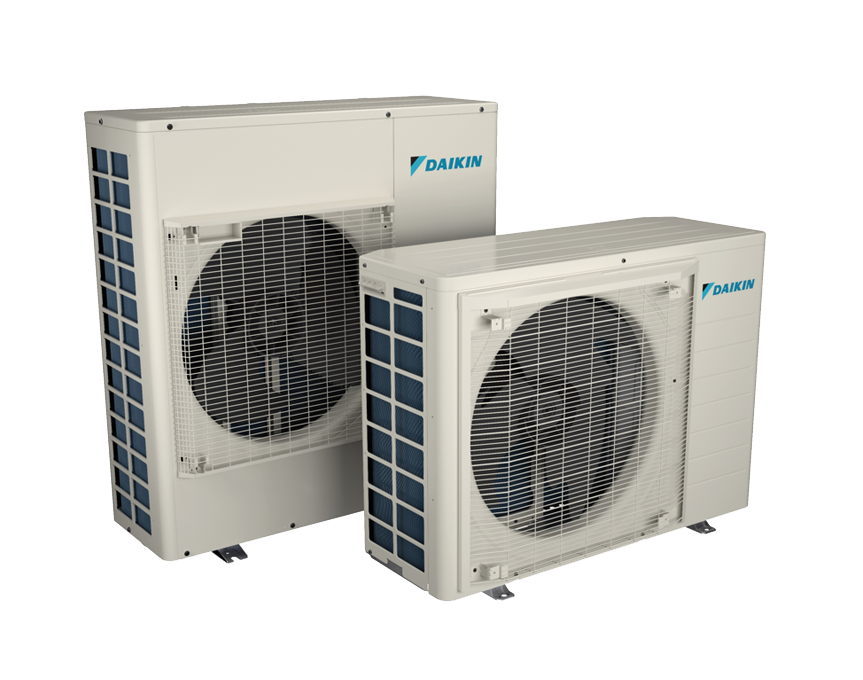
No brand commands the global inverter AC market the way Daikin does. The Osaka-based manufacturer is the world's largest HVAC company by revenue, operating factories on every major continent, and its engineering pedigree in hot-climate cooling is virtually unmatched. Daikin pioneered the use of R-32 refrigerant at commercial scale, a move that slashed the global warming potential of residential AC systems by roughly two-thirds compared with the older R-410A standard. By 2026, nearly every new Daikin residential unit ships with R-32, positioning the company well ahead of regulatory timelines in most markets.
What sets Daikin apart in extreme heat is its Swing compressor technology, which reduces friction and vibration inside the inverter mechanism, allowing the unit to maintain rated cooling capacity even as outdoor temperatures climb past 50 degrees. Its flagship Daikin FIT platform, a compact side-discharge inverter system, has become a favourite among installers in the American South and Gulf states for its ability to handle sustained high-humidity loads without short-cycling. The compressor modulates continuously rather than stepping between fixed stages, producing longer, quieter cycles that strip moisture from the air far more effectively than single-stage alternatives. A 12-year compressor warranty and a 10-year parts warranty, among the deepest in the industry, reinforce the brand's confidence in its own hardware.
2. Mitsubishi Electric
If Daikin owns the conversation around efficiency and refrigerant innovation, Mitsubishi Electric owns the conversation around sheer longevity and extreme-condition reliability. Documented lifespans of 15 to 20 years are not uncommon in Mitsubishi installations, and the brand maintains one of the lowest compressor failure rates in the premium segment worldwide. Its SEER2 ratings reach as high as 28.4 in certain ductless configurations, the highest currently available from any residential brand.
Mitsubishi's i-See Sensor technology uses infrared detection to map the positions and body temperatures of occupants within a room, then redirects airflow precisely where it is needed. In a climate where stepping indoors from 48-degree heat means your body craves immediate, targeted cooling, this kind of intelligence makes a noticeable difference. The brand's Diamond Dealer network also ensures that installation quality, often the single biggest variable in AC performance, stays high. For buyers who view an air conditioner as a long-term investment in their home rather than a disposable appliance, Mitsubishi Electric remains the benchmark.
3. LG

LG has built its inverter AC reputation on two pillars: its proprietary DUAL Inverter Compressor and its deeply integrated smart-home ecosystem. The DUAL Inverter uses two compression cylinders instead of one, reducing vibration and internal friction while extending the speed range over which the compressor can operate efficiently. The practical benefit in a hot climate is faster initial cooling combined with whisper-quiet operation once the room stabilises, a combination that few competitors match at the same price point.
LG's ThinQ platform connects every unit to a smartphone app, Amazon Alexa, and Google Assistant, allowing homeowners to pre-cool rooms before arriving home, monitor real-time energy consumption, and receive proactive maintenance alerts. The brand's window-mounted DUAL Inverter models, particularly the LW1022IVSM, have earned widespread praise for achieving library-level quiet operation at roughly 44 decibels. For tech-forward households in hot regions who want granular control over their cooling and their electricity bills, LG represents the sweet spot between premium engineering and accessible pricing.
4. Samsung
Samsung's 2026 Bespoke AI Inverter lineup makes a strong case for artificial intelligence as a meaningful differentiator in air conditioning, not just a marketing buzzword. The system's AI algorithms learn household usage patterns over time, automatically adjusting compressor speed, fan direction, and temperature setpoints to optimise comfort while minimising energy waste. Samsung's WindFree cooling technology disperses air through thousands of micro-holes rather than a conventional directional vent, eliminating the cold-draft sensation that many people find uncomfortable during extended use.
Perhaps Samsung's most impressive specification for hot-climate buyers is its ambient operating ceiling. The 2026 Bespoke models are rated to cool effectively at outdoor temperatures up to 58 degrees Celsius, among the highest thresholds of any residential brand. In Gulf states and desert regions where afternoon temperatures routinely breach 50 degrees, that three-to-five degree margin above competitors can be the difference between a unit that maintains its setpoint and one that struggles. The five-year comprehensive warranty and robust SmartThings integration further sweeten the proposition.
5. Carrier
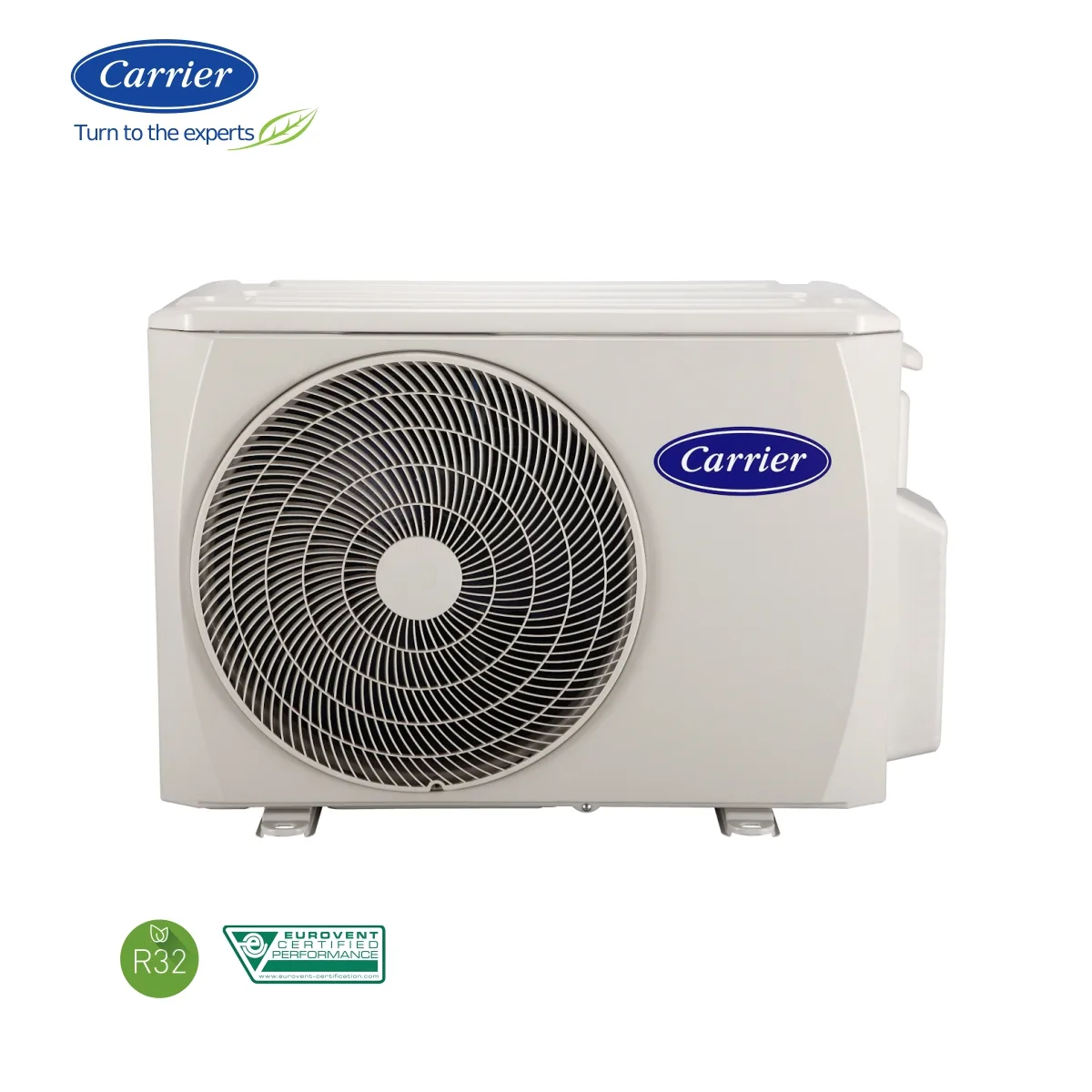
It would be difficult to write any serious ranking of air conditioning brands without acknowledging Carrier, the company whose founder, Willis Carrier, invented modern air conditioning in 1902. More than a century later, Carrier continues to earn its place through a combination of engineering depth, one of the largest dealer and service networks on the planet, and a product range that spans residential window units to industrial chillers.
Carrier's Greenspeed Intelligence platform pairs a variable-speed inverter compressor with an adaptive-speed fan motor and a communicating thermostat to create a system that adjusts in increments as fine as half a degree. In a hot climate, this granularity translates to rooms that feel consistently comfortable rather than oscillating between too cold and too warm. The brand's Infinity Series units achieve SEER2 ratings as high as 26, and their powder-coated steel cabinets are engineered to resist corrosion in salt-air environments, a meaningful advantage along coastal regions where heat and humidity are compounded by salinity.
6. Panasonic
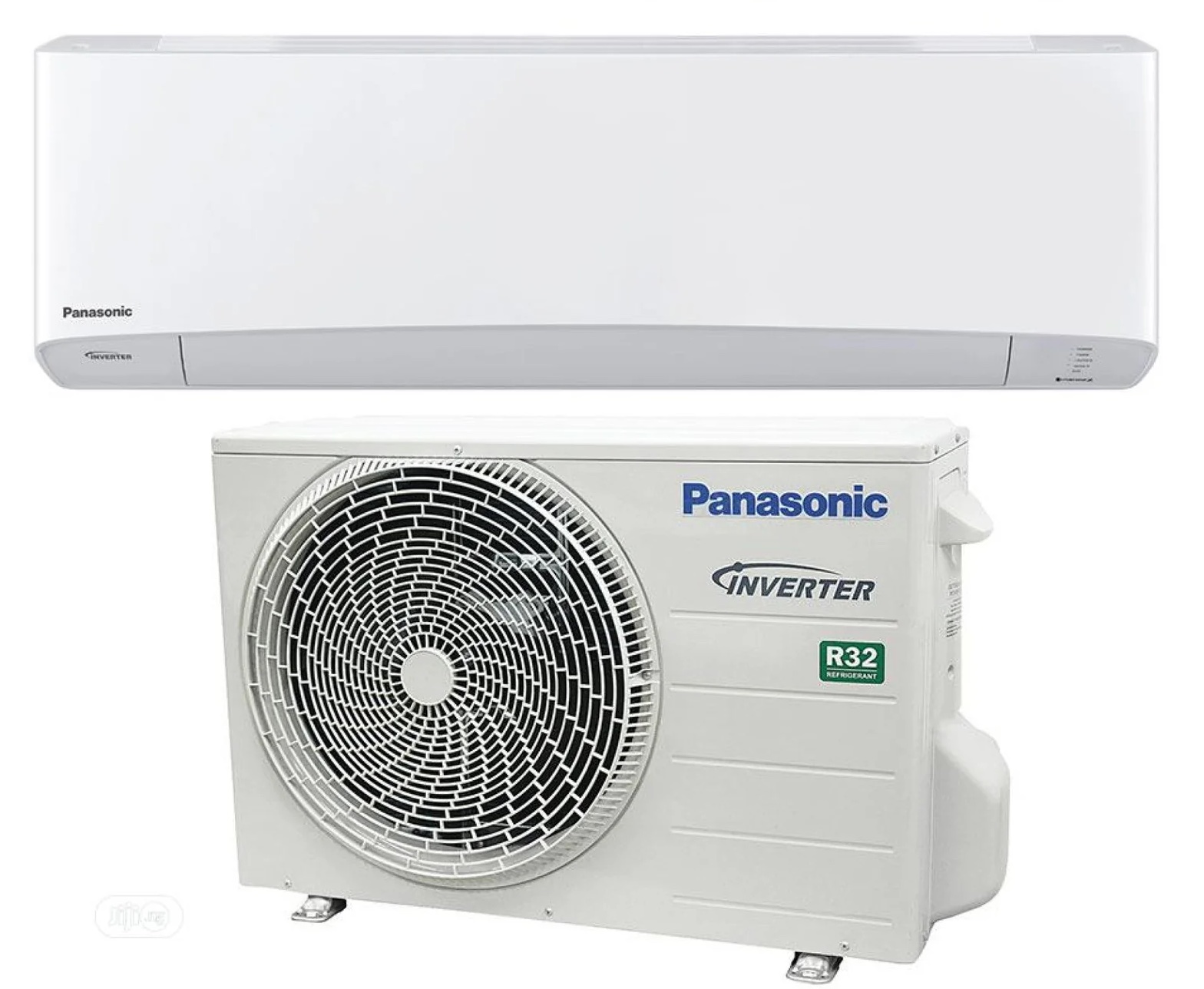
Panasonic has quietly built one of the most technically sophisticated inverter AC portfolios on the market, anchored by its Econavi sensor array and nanoe X air purification technology. Econavi uses a combination of human-activity sensors and sunlight sensors to detect how many people are in a room, where they are sitting, and how much solar heat gain the space is experiencing. The inverter compressor then calibrates its output accordingly, avoiding the common problem of overcooling empty rooms or undercooling occupied ones.
The nanoe X system generates hydroxyl radicals that actively break down pollutants, allergens, bacteria, and odours in the air, a feature that proves especially valuable in hot climates where windows tend to stay sealed for months at a time. Panasonic's units are engineered in Japan and manufactured across a network of facilities in Malaysia, Thailand, and China, giving the brand strong supply-chain presence across the markets where hot-climate demand is highest. Its rated airflow volumes are among the best in class, which helps distribute cooled air evenly through larger living spaces.
7. Fujitsu General
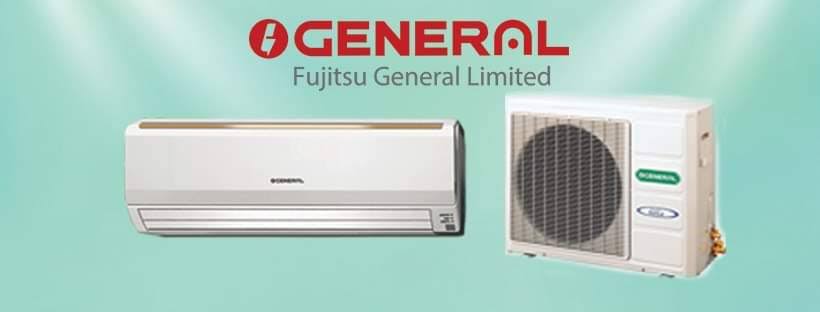
Fujitsu General flies somewhat under the radar compared with flashier competitors, but HVAC installers consistently rank it among the most reliable brands they service. The company's AIRSTAGE platform represents its latest generation of inverter mini-splits and ducted systems, featuring advanced inverter compressors paired with intelligent human-sensor controls that adjust output based on occupancy. Fujitsu's build quality is thoroughly Japanese: precise, conservative, and engineered for longevity rather than headline specifications.
In hot climates, Fujitsu's strength is its consistency. Where some brands optimise heavily for peak efficiency at moderate temperatures and then see performance degrade as ambient heat rises, Fujitsu units tend to deliver stable cooling output across a wide temperature range. The brand's R-32 transition is well advanced, and its 10-year compressor warranty reflects a genuine confidence in durability. For buyers who prioritise quiet reliability over flashy features, Fujitsu General is an excellent, often overlooked choice.
8. Gree
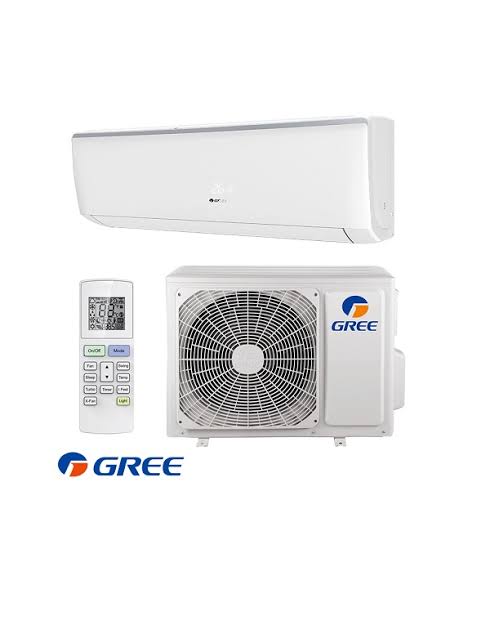
As the world's largest manufacturer of residential air conditioners by unit volume, Gree has the scale to compete on price in ways that Japanese and Korean premium brands simply cannot. But dismissing Gree as a budget option would be a mistake. The Zhuhai-based company invests heavily in R&D, holds joint ventures with Daikin for compressor component manufacturing, and has steadily improved its inverter technology over the past decade. Its G10 inverter platform delivers credible efficiency and reliable cooling at price points that undercut established competitors by 20 to 40 percent.
Gree's 2026 lineup has fully transitioned to R-32 refrigerant across its inverter range, and the brand's units are certified to operate in ambient temperatures above 50 degrees Celsius. Where Gree still trails the top tier is in after-sales service infrastructure outside of China and smart-home integration, areas where the brand is actively investing but has not yet matched the depth of LG, Samsung, or Daikin. For price-sensitive buyers in hot climates who need solid inverter performance without the premium price tag, Gree delivers real value.
9. Midea
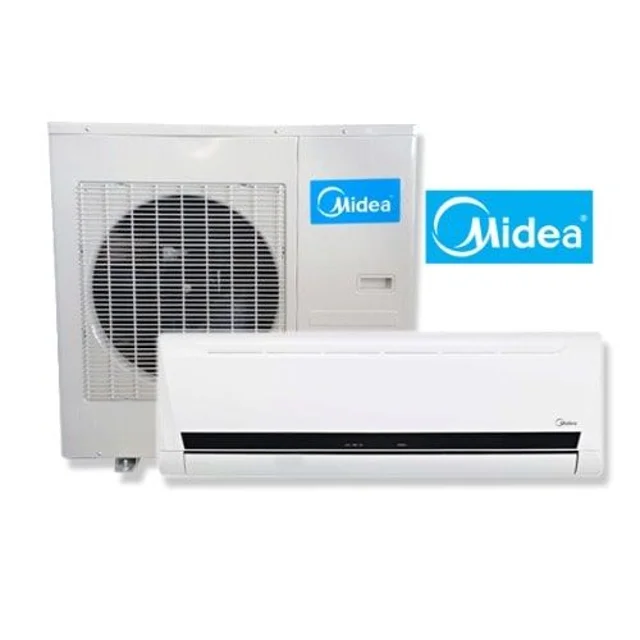
Midea has emerged as one of the most innovative forces in the consumer AC segment, largely thanks to its U-Shaped window air conditioner, a design so clever that it has won engineering awards and captured the attention of reviewers worldwide. The U-shape allows the window sash to close around the unit, dramatically reducing noise infiltration, improving insulation, and enabling the user to keep curtains or blinds operational. It is a deceptively simple idea, but it solves problems that have plagued window AC design for decades.
Beyond the U-Shaped series, Midea's broader inverter portfolio spans split systems, portable units, and central air platforms, all benefiting from the company's position as the parent company of international brands including Toshiba's consumer appliance division. Its inverter compressors are rated for continuous operation in high-ambient conditions, and its pricing consistently undercuts comparable models from Japanese brands. For renters, apartment dwellers, and anyone who needs effective inverter cooling without permanent installation, Midea's window and portable units are among the most practical choices available in 2026.
10. Trane
Trane's dealer network across the United States and the Middle East is among the most established in the industry, and its 12-year compressor warranty (when registered) matches the longest available. The brand's sister company, American Standard, offers functionally identical equipment under a different badge, which expands buyer access to the same technology through a broader dealer base. Trane may not generate the excitement of AI-powered Samsung units or the cult following of Daikin's engineering, but for homeowners who want a central inverter system that will simply work, year after year, in punishing heat, it remains a trusted name.