Nearly a quarter of the global workforce operates outside the traditional nine-to-five window. Nurses pulling overnight rotations, warehouse operatives cycling through three-shift patterns, paramedics on 48-hour rosters: these are the people who keep society running while the rest of us sleep. And they pay a steep price for it.
Research consistently links irregular shift work to elevated rates of anxiety, depression, insomnia, and chronic fatigue. A rotating schedule disrupts the body's circadian rhythm so thoroughly that mood instability becomes an occupational hazard rather than a personal failing. The mental health app market, now valued at more than six billion dollars globally, has responded with a growing catalogue of meditation and mood-tracking tools. But most of those tools were designed for people who wake up at seven, commute at eight, and wind down at ten. Shift workers need something different.
This guide identifies ten apps that actually deserve a place on a shift worker's phone in 2026. Some are household names reimagined through the lens of irregular schedules. Others are specialist tools built from the ground up for people whose Tuesday morning might look like someone else's Saturday midnight. Each entry was assessed on flexibility of scheduling, quality of guided content, mood-logging speed, circadian awareness, offline access, and overall value for money.
Quick-Reference Table: All 10 Apps at a Glance
|
# |
App |
Category |
Best For |
Price |
Platforms |
|---|---|---|---|---|---|
|
1 |
Headspace |
Meditation + Sleep |
Structured daily practice |
$12.99/mo |
iOS, Android, Web |
|
2 |
Calm |
Meditation + Mood |
Sleep and anxiety relief |
$14.99/mo |
iOS, Android, Web |
|
3 |
Timeshifter |
Circadian + Wellness |
Circadian schedule optimization |
$6.99/mo |
iOS, Android |
|
4 |
Daylio |
Mood Tracker |
Quick one-tap mood logging |
Free / $4.99/mo |
iOS, Android |
|
5 |
Wysa |
AI Therapy + Mood |
CBT and emotional support |
Free / $74.99/yr |
iOS, Android |
|
6 |
Insight Timer |
Meditation Library |
Free content library depth |
Free / $70/yr |
iOS, Android, Web |
|
7 |
Bearable |
Health + Mood Tracker |
Symptom-mood correlation |
Free / $5.99/mo |
iOS, Android |
|
8 |
Waking Up |
Meditation + Philosophy |
Deep meditative practice |
$14.99/mo |
iOS, Android, Web |
|
9 |
Moodfit |
Mood + CBT Tools |
Data-driven mental fitness |
Free / $7.99/mo |
iOS, Android |
|
10 |
SleepSync |
Sleep + Mood |
Personalized shift sleep plans |
Free (research) |
iOS, Android |
1. Headspace

Headspace has spent more than a decade refining the art of making meditation feel accessible, and its current iteration remains the most polished option on the market. With more than 70 million users worldwide and a library that spans guided meditations, sleep casts, yoga routines, and focus music, the app offers extraordinary depth without ever feeling overwhelming.
What earns Headspace the top position for shift workers specifically is its course-based progression system. Rather than dropping users into an endless scroll of sessions, the app builds skills incrementally over days and weeks, which is ideal for someone whose schedule rotates. Miss a day because you slept through it after a night shift? The course picks up where you left off without guilt or penalty. The sleep content is particularly strong, featuring wind-down exercises calibrated for different energy levels. At $12.99 per month, it is not the cheapest option here, but the consistency of quality justifies the investment.
2. Calm
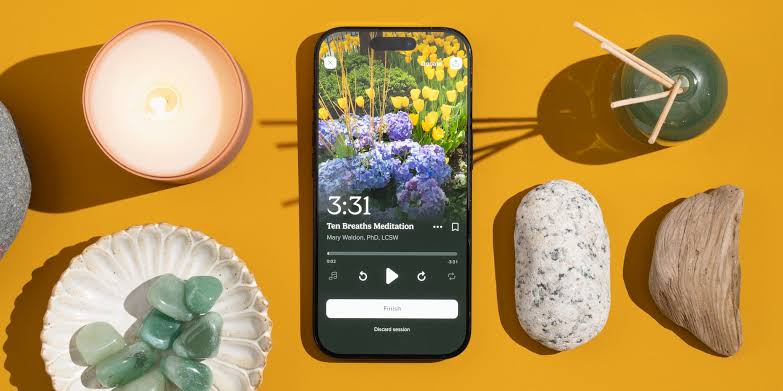
If Headspace is the structured classroom, Calm is the cozy library where you wander between shelves and pick whatever feels right. Its Sleep Stories narrated by familiar voices have become genuinely cultural, and the breathing exercises are among the most intuitive in any app. Calm added mood check-ins that track emotional trends over time, connecting them to the meditation and sleep content users engage with.
For shift workers, the real selling point is the app's flexibility. There is no rigid programme demanding daily engagement at a fixed time. You can open Calm at two in the afternoon or three in the morning and find content that fits. Its Daily Calm session refreshes every 24 hours, offering a gentle anchor point that adapts to whenever your day actually begins. The mood-tracking feature, while not as granular as specialist tools, provides enough pattern recognition to spot when a particular rotation is dragging your emotional health down.
3. Timeshifter
Most meditation apps treat the circadian clock as background noise. Timeshifter puts it front and centre. Originally built to combat jet lag using algorithms developed in collaboration with Harvard Medical School neuroscientists, the Shift Work edition translates that same circadian science into daily, personalized guidance for people on rotating schedules.
Users input their shift patterns, chronotype, and personal preferences. The app then generates tailored recommendations for when to seek or avoid light, when to use caffeine strategically, and when to sleep. Its Fatigue Prediction feature alerts users to windows of heightened vulnerability, which can be the difference between a safe commute home and a dangerous one. While Timeshifter is not a meditation app in the traditional sense, its ability to stabilize the biological foundation on which mental health rests makes it indispensable. At $6.99 per month, it is arguably the highest-value specialist tool on this list.
4. Daylio
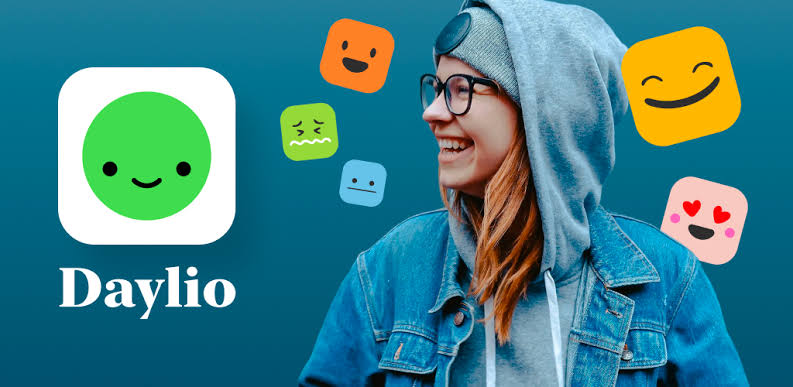
The best mood tracker is the one you actually use every day, and Daylio understood that principle before anyone else. Its core interaction takes roughly five seconds: tap one of five mood faces, select a few activity tags, add an optional note, and you are done. That speed matters enormously when you have just finished a twelve-hour overnight and the last thing you want is another screen demanding your attention.
Over weeks and months, those five-second entries build into genuinely illuminating data. Daylio's colour-coded monthly heatmap and activity correlation charts reveal which shifts, sleep patterns, or social activities most reliably affect your mood. The free tier is functional, though the premium version at $4.99 per month unlocks deeper analytics, unlimited custom moods, and CSV exports for sharing with a therapist. With more than ten million downloads, Daylio has earned its reputation as the gold standard of low-friction mood logging.
5. Wysa
Wysa occupies a unique position in this landscape: part mood tracker, part meditation guide, part AI therapist. Its friendly penguin avatar leads users through conversational CBT exercises, guided meditations, yoga, and journaling activities, all wrapped in an interface that feels surprisingly personal for an automated tool.
For shift workers, the always-available nature of Wysa's AI chat is a genuine differentiator. When anxiety spikes at three in the morning and your support network is asleep, Wysa responds immediately with structured coping exercises rather than generic platitudes. The app is HIPAA-compliant, and its premium tier includes access to human mental health coaches for situations that need a real person. The free version covers basic mood tracking, limited CBT exercises, meditation tools, and breathing techniques. At $74.99 annually for premium, it undercuts many traditional therapy alternatives significantly.
6. Insight Timer

Where most meditation apps lock their best content behind paywalls, Insight Timer gives away an astonishing amount for free. Its library includes hundreds of thousands of guided meditations, music tracks, talks, and live workshops from teachers spanning every tradition and technique imaginable. This is the app for the shift worker who has tried Headspace or Calm and found them too narrow.
The community element sets Insight Timer apart. Users can meditate alongside others in real time, join discussion groups, and follow favourite teachers. For shift workers who often feel socially isolated due to their schedules, that sense of connection is more than a feature. It is a form of emotional support. The premium membership at approximately $70 per year adds offline access and advanced courses, but the free tier alone is richer than most competitors' paid plans.
7. Bearable
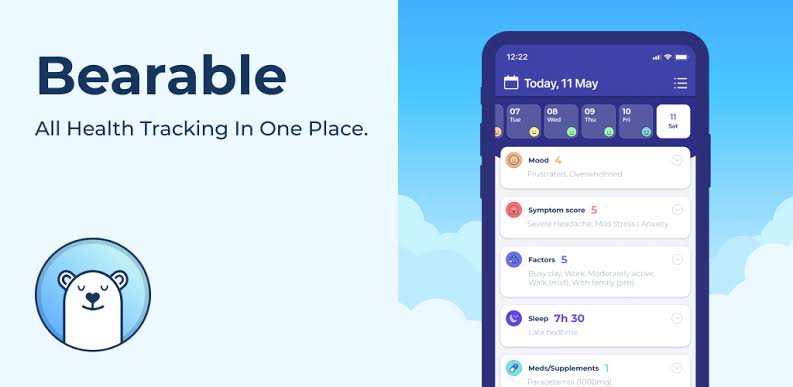
Bearable is designed for people who want to understand not just how they feel, but why. The app tracks mood alongside symptoms, medications, sleep quality, weather, exercise, and dozens of customisable factors, then generates correlation reports showing which variables most influence emotional states.
For shift workers managing chronic conditions, or those whose irregular schedules make it difficult to identify what is causing fatigue versus what is causing low mood, Bearable provides the kind of granular data that most apps cannot match. The interface requires more engagement per entry than Daylio, which is a genuine tradeoff. But the payoff is meaningful: shareable reports that can inform conversations with doctors or occupational health teams. The premium tier at $5.99 per month unlocks the full correlation engine and unlimited tracking factors.
8. Waking Up

Sam Harris's Waking Up app takes a fundamentally different approach to meditation. Where Headspace and Calm focus on stress reduction and sleep, Waking Up treats meditation as a serious intellectual and contemplative practice. The introductory course is a 28-day progressive programme that builds genuine skill, and the theory lessons explore consciousness, free will, and the nature of the self with philosophical rigour.
This may sound like an unusual recommendation for exhausted shift workers, but there is method here. Several users in healthcare and emergency services have reported that the deeper contemplative framework helps them process difficult experiences on the job far more effectively than standard relaxation exercises. The app is priced at $14.99 per month, though Harris offers a no-questions-asked free subscription to anyone who cannot afford it, a policy that deserves recognition.
9. Moodfit
Moodfit describes itself as a gym for mental health, and that framing is refreshingly practical. The app combines mood tracking with gratitude journaling, CBT thought records, sleep logging, breathing exercises, and lifestyle tracking into a single hub. Its standout feature is the ability to export mood and medication charts in a format that therapists and prescribers can actually use, bridging the gap between self-tracking and professional care.
For shift workers who are seeing a counsellor or psychiatrist, Moodfit functions as a reliable data-gathering companion between appointments. The insights dashboard reveals how habits influence emotional patterns across different timeframes, which is particularly valuable when your schedule changes from week to week. The free version covers the essentials, while the premium at $7.99 per month adds advanced analytics and unlimited journaling.
10. SleepSync
Developed by researchers at Monash University's Turner Institute for Brain and Mental Health, SleepSync is the only app on this list that was built specifically for shift workers from the very beginning. Users enter their work schedules and personal commitments, and the app generates biologically viable sleep-timing recommendations tailored to their individual circadian profile.
In clinical trials, participants using SleepSync slept an average of 29 minutes longer per night, with significant improvements in sleep quality, insomnia symptoms, and self-reported anxiety and stress levels. More than 80 per cent of trial participants said the app improved their sleep quality, and 67 per cent reported meaningful changes to their daily behaviour and habits. While SleepSync remains primarily a research-stage tool rather than a commercial product with the polish of Headspace or Calm, its evidence base is stronger than anything else on this list. For shift workers who want a tool grounded in peer-reviewed circadian science rather than Silicon Valley wellness aesthetics, SleepSync is worth watching closely.